Build Update: Launch Delayed, Mission Remains Unchanged
When we launched this campaign in October 2025, we knew building a new Mini prototype would be ambitious regardless of timelines.
By that point, work was already well underway. Discussions with designer Sam Manuard had begun nearly a year earlier, the project was taking shape, and construction of the molds was already underway. From the beginning, the objective was clear: build a competitive new platform for the 2027 Mini Transat while continuing to expand support for U.S. Patriot Sailing.
The mission remains unchanged. What has changed is this season’s timeline.
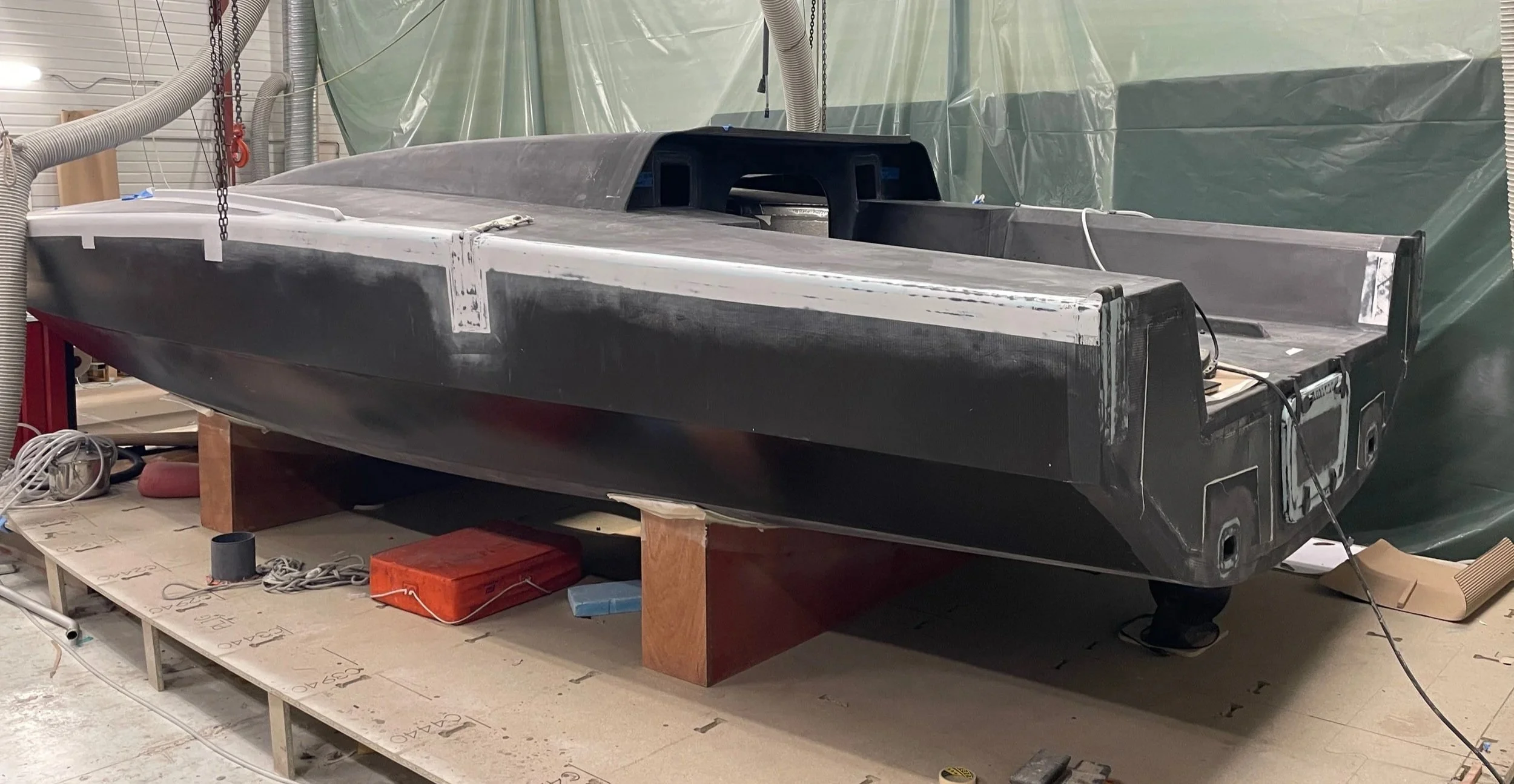
After evaluating the current status of the build over the past month, it has become clear that the boat will not be ready in time to compete in the early-season qualification races originally planned for 2026. We are now targeting a July launch, which means it will not be possible to complete the qualification requirements necessary to compete in the Mini Atlantique race this summer (France to Azores race).
While this is frustrating and I am disappointed in the delays, it does not change the long-term objective. This campaign was never built around a single race or a single season. It was built around arriving at the 2027 Mini Transat with the preparation, experience, and platform necessary to compete at the highest level.
The focus now shifts toward launch, testing, training, and learning the boat for the rest of the season.
Building the newest prototype is a complex process, and while delays are frustrating, the quality of the finished product remains the priority. Every decision being made today will affect the reliability, performance, and competitiveness of the boat when racing offshore. Getting those details right today is more important than rushing to meet an arbitrary deadline.
As the plans for this season evolve, we have some other exciting ideas to bring you all “onboard” with a unique opportunity for live streaming content. With more focus on the testing and training, you will get an inside look as we learn to fly this boat.
Building what we believe will be one of the most advanced boats in the fleet is a challenge we knowingly chose to take on. We knew there would be challenges along the way and this period is just one of many tests throughout this journey to the starting line.
The Reality of Building a Prototype
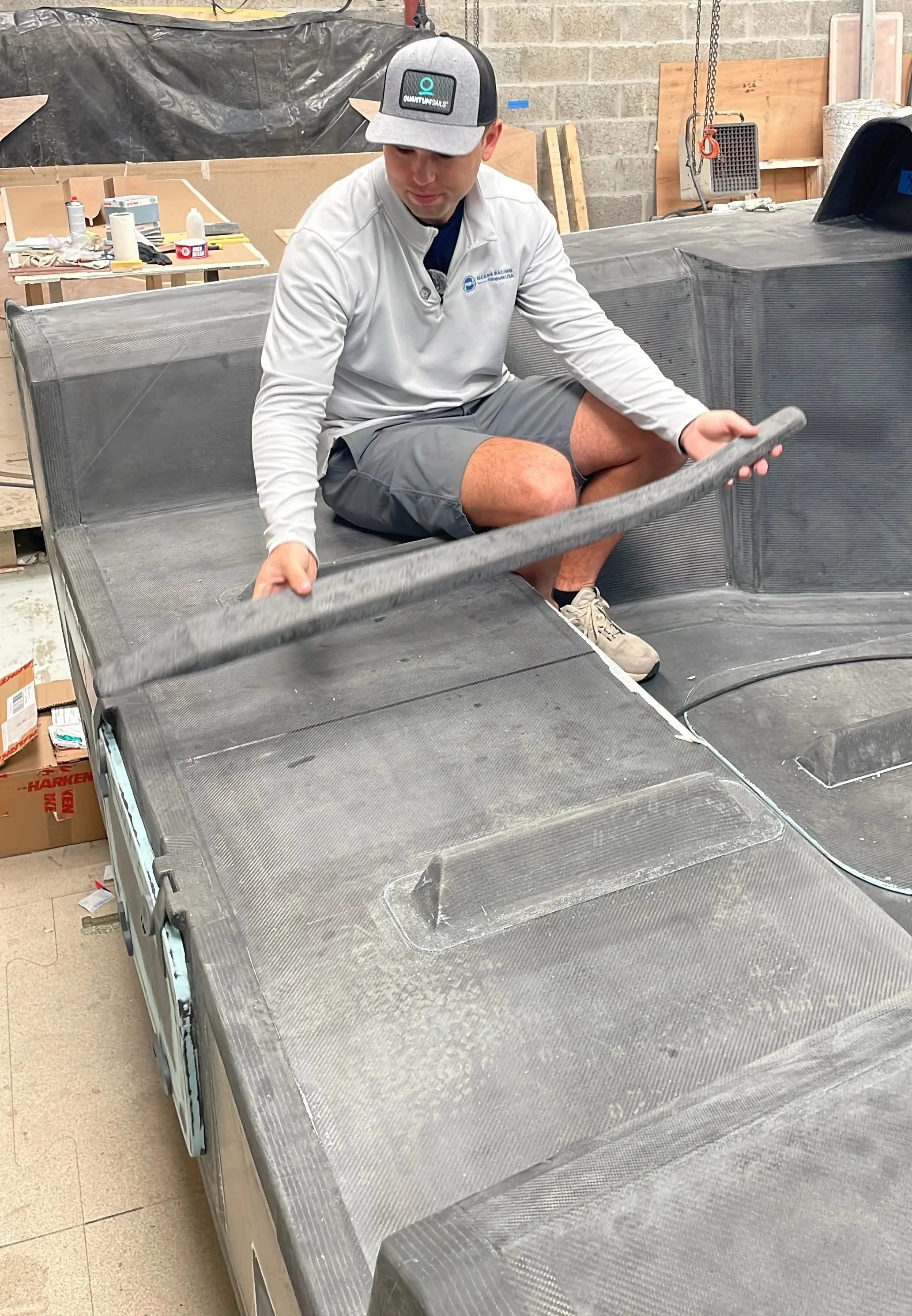
Now that we have a clearer understanding of the timeline, I can finally look back on the past few months with a little more perspective.
When construction of the hull and deck molds began last fall, we were initially told the boat could be completed by late winter. That felt overly optimistic, so we planned around a more realistic spring launch. Jane and I moved to France on March 1st expecting to be sailing by April.
As spring approached, the target launch date gradually shifted. First early May, then late May, and eventually into the summer.
Like many things in offshore racing, the schedule looked straightforward on paper. The reality was far more complicated.
Over the past few weeks we have spent a lot of time evaluating what the remainder of the season realistically looks like. From an emotional standpoint, this was not easy. We have invested significant time, energy, and resources into this project, only to watch the first part of the racing season slowly slip away.
I also found myself pulling back from sharing updates online. The uncertainty made it difficult to communicate meaningful progress when the launch date seemed to move every few weeks. Now that we have a clearer picture, I'm excited to start sharing again more of the progress and the behind-the-scenes work that goes into a project like this.
The Biggest Build Challenge: The Foils
Up to this point, the single biggest driver of the delay has been the completion of the foils.
The foils are among the most important and complex components on the entire boat. They are designed to generate lift at speed, significantly reducing wetted surface area and increasing speed as the hull lifts out of the water.
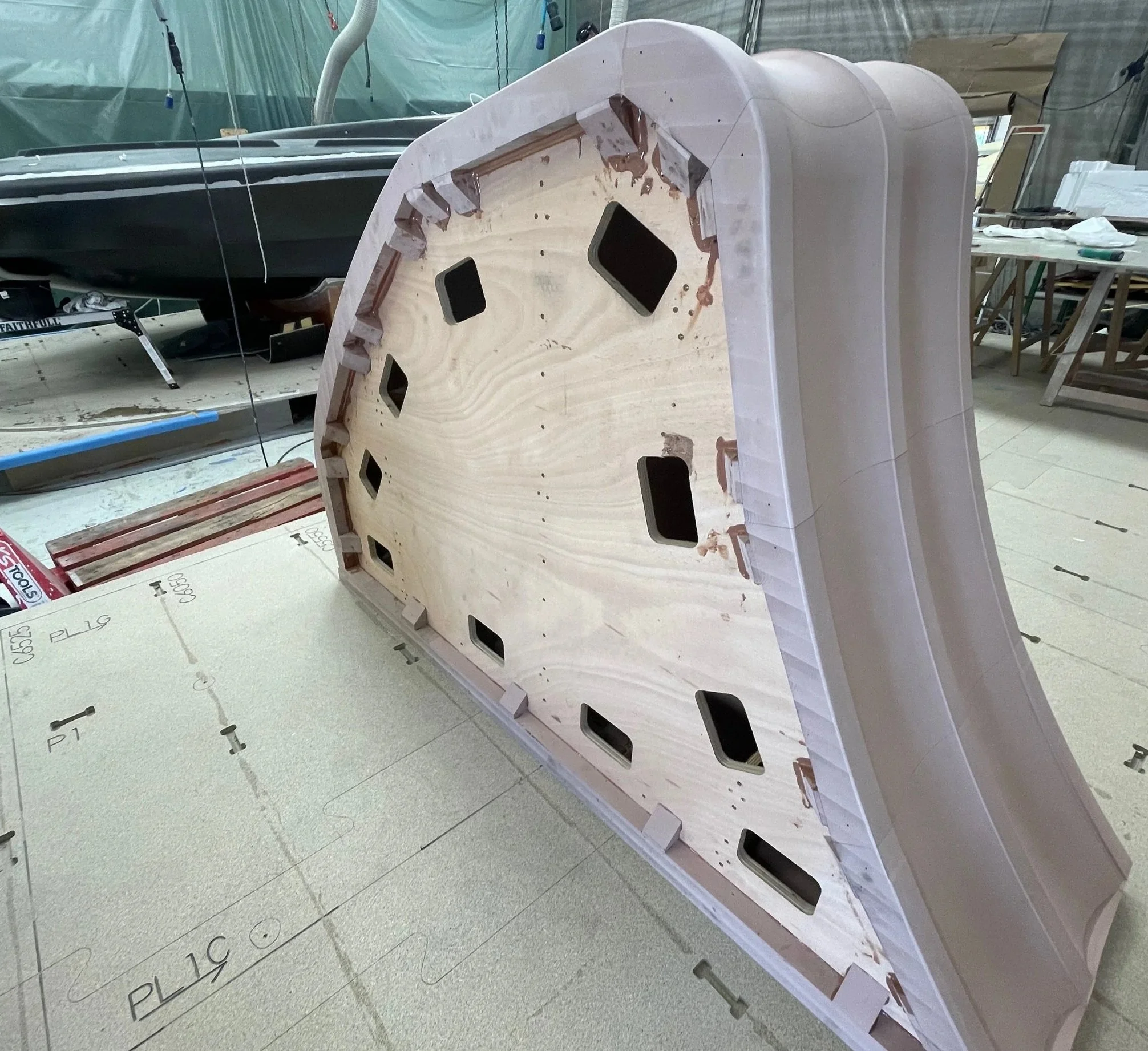
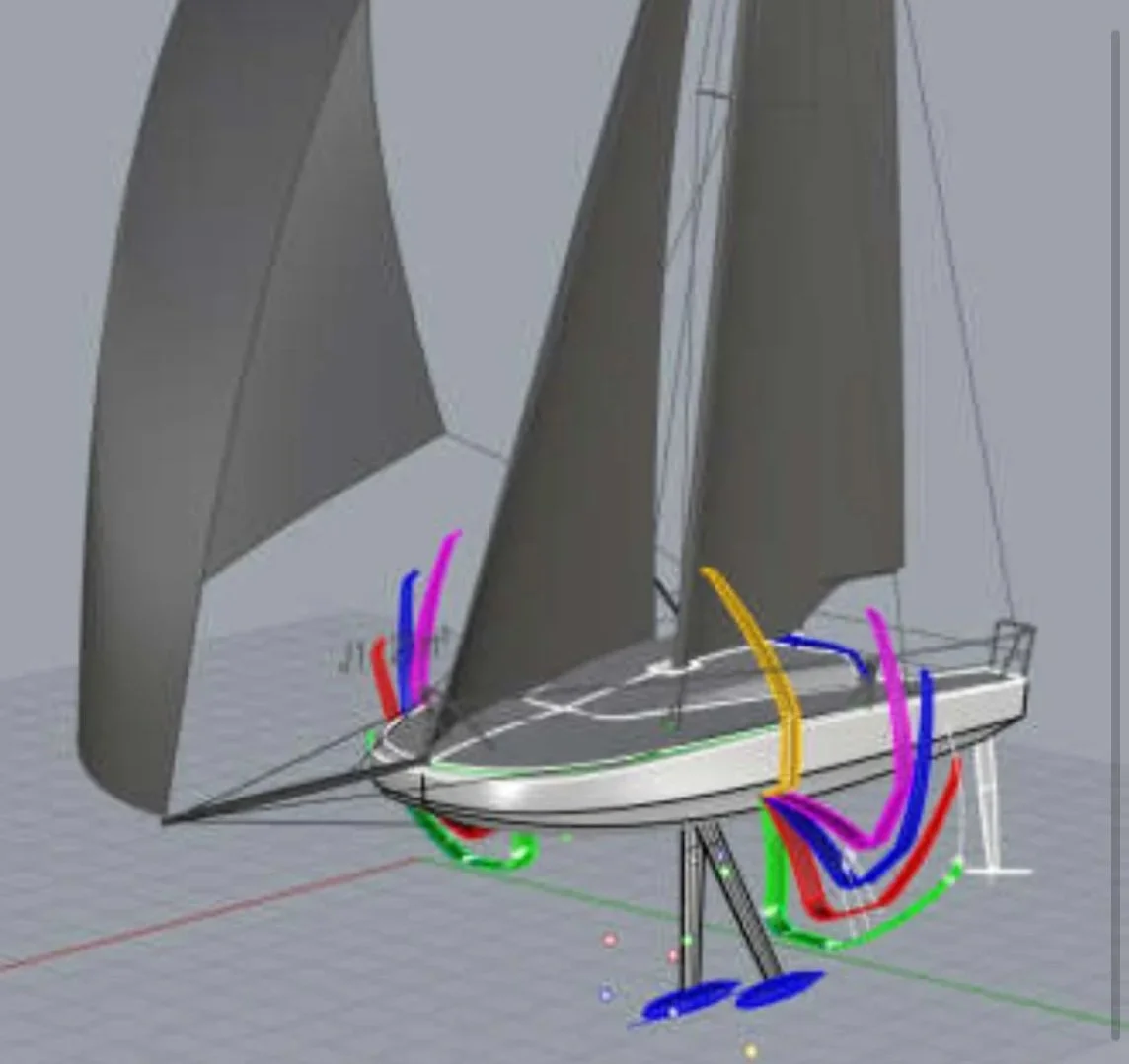
Coincidentally, the foil molds arrived at the yard around the same time the deck was installed on the hull in early April. While the deck installation felt like a major milestone—and it absolutely was—it also marked the beginning of another major construction phase.
Watching the foils being built has been fascinating. I wish I could document and share more about this process, but the yard has specifically asked not to release photos or videos of their impressive work.
The amount of carbon required is difficult to appreciate until you see it in person. Layer after layer was carefully applied to the molds, followed by multiple infusion cycles to build the required thickness and strength. The process took far longer than originally expected, but the complexity of these components quickly became apparent.
Once the carbon structure reached the required dimensions, the foils were transported to a CNC machine where they are currently being milled to their final shape. They should return to the yard shortly, where additional carbon work, finishing, and paint will be completed before installation.
Once complete, the foil casings can be finished and installed inside the hull. These systems allow the foils to move in and out, while also controlling their angle relative to the water.
Progress Across the Boat
While the foils have received most of the attention, work has continued throughout the boat.
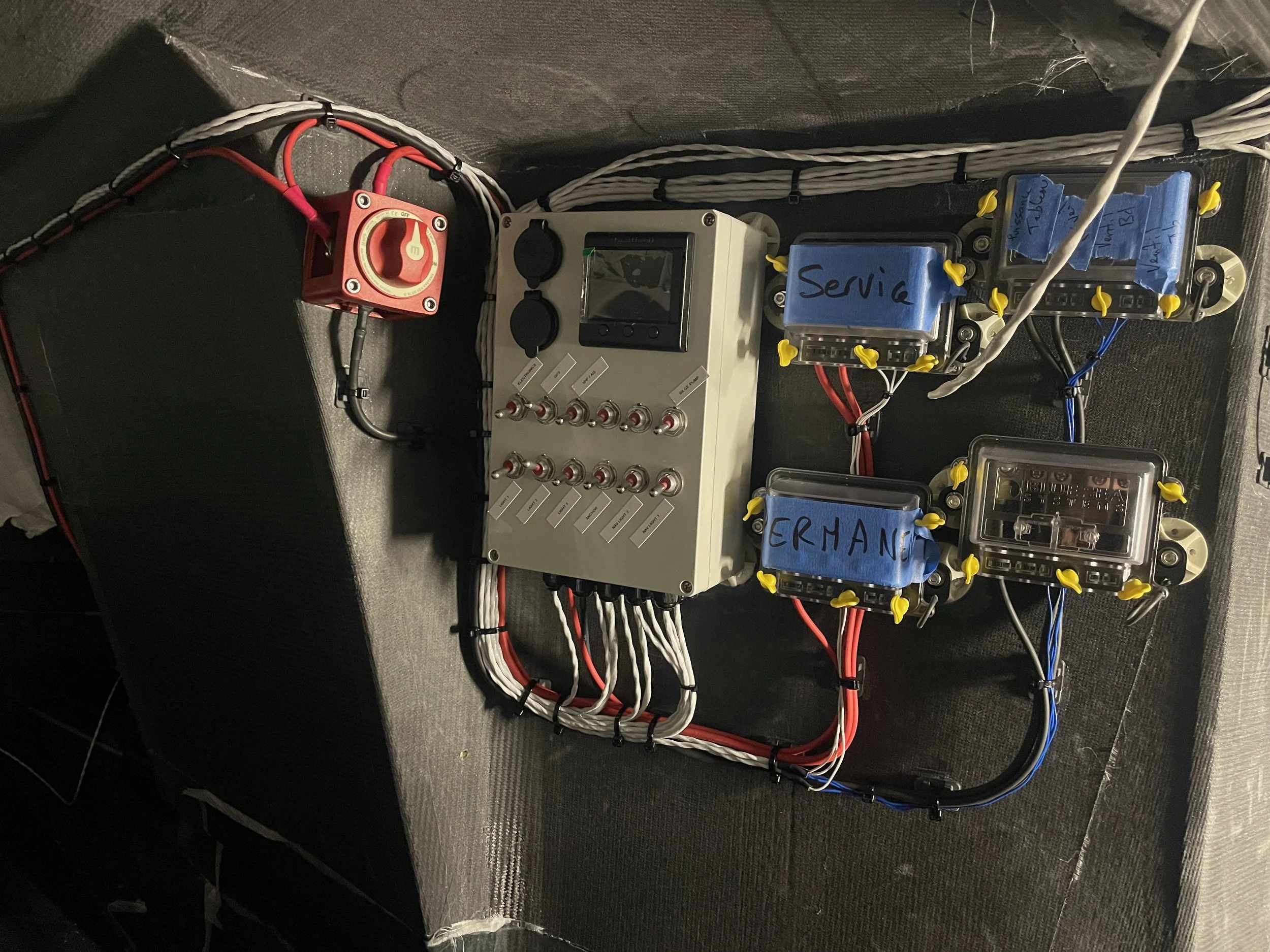
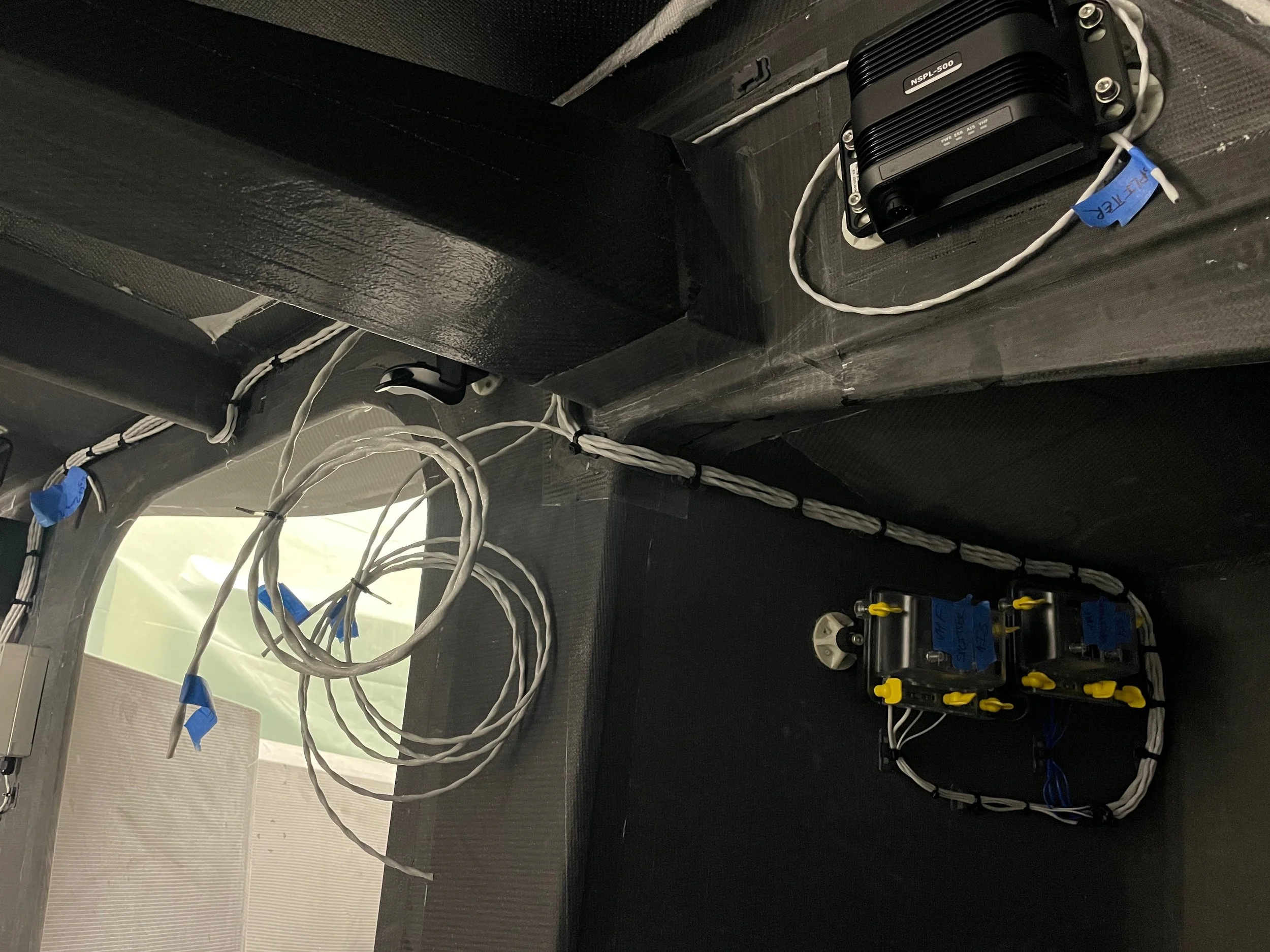
The electronics installation is now underway, including the wiring runs, sensors, displays, communications equipment, and power systems that will support the boat offshore. Every component has been carefully planned and positioned long before the first wire was placed. Offshore racing places enormous demands on electrical systems, and the decisions being made now will directly affect reliability and performance during the Mini Transat.
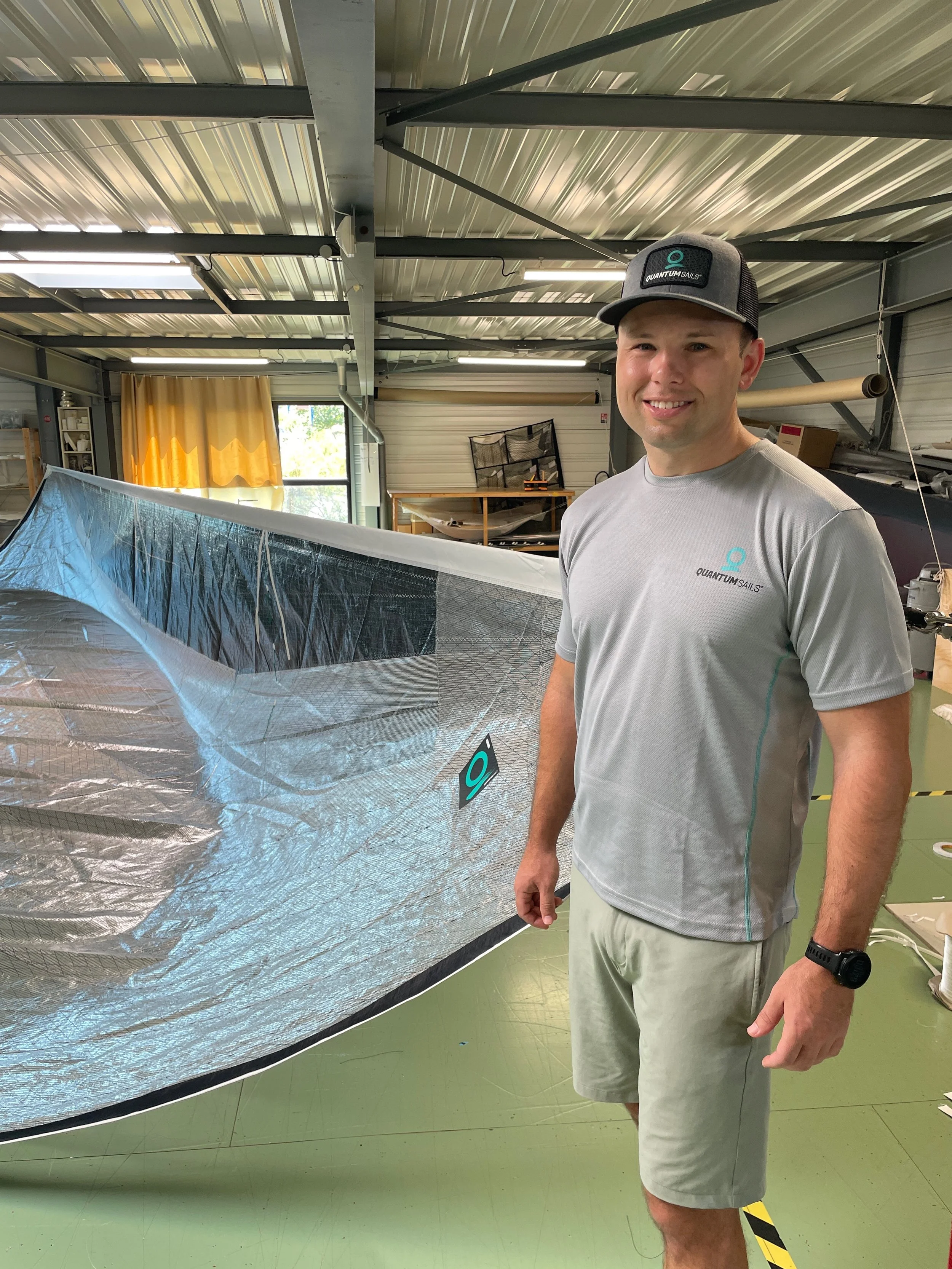
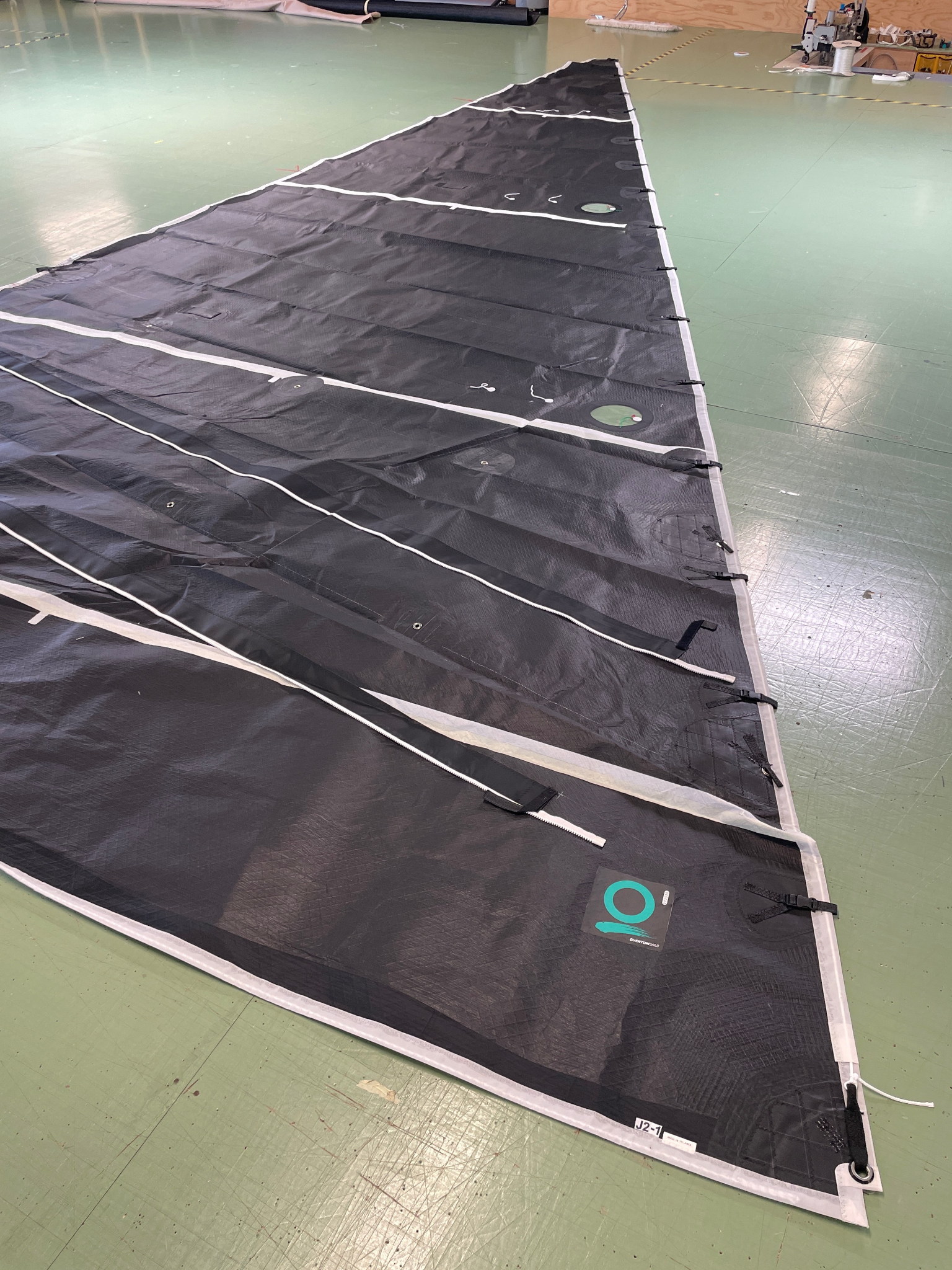
The new sail inventory from Quantum Sails has also arrived and looks incredible. Seeing the sails for the first time was one of those moments where the project suddenly feels like it is coming together. After spending months discussing many details across the sail inventory, pulling out the new sails on the loft floor was exciting. Even just looking at the sails on the floor you could see the massive differences between the series and prototype sail plans. I am grateful for Quantum Sails’ support of this campaign and will be sharing more about this unique sail inventory soon.
Additional hardware continues to arrive as well, including deck fittings, stanchions, pulpits, pushpits, and numerous smaller components that are now being installed throughout the boat.
Week by week, the project is beginning to look more like a race boat.
Looking Ahead
While missing the first part of the 2026 racing season is disappointing, the broad objective remains unchanged.
The priority now is launch, testing, training, and accumulating miles aboard this new platform. Every hour spent learning the boat will pay dividends as we build toward qualification and ultimately the start of the 2027 Mini Transat.
Am I frustrated by the delays? Absolutely.
Has the stress level increased over the past few months? Without question.
But building a one-off prototype was never going to be easy.
The mission remains clear. We are still on track for the 2027 Mini Transat and it finally feels like we are getting close to seeing this boat in the water.
Looking back, perhaps the hardest part has been watching the calendar move while being so close to the project every day. Jane and I moved to France expecting to spend the spring sailing. Instead, we found ourselves spending much of that time waiting, adapting plans, and trying to remain patient while the final pieces of the build came together. That's part of the reality of a project like this, but it doesn't make it any easier.
Continuing to Build the Team
While the boat continues to come together, we are also continuing to build the team around the campaign.
Projects like this are only possible because of the support of sponsors, donors, partners, friends, and family who believe in the mission. We have made tremendous progress over the past year, but there is still work to be done as we prepare the boat, campaign, and racing program for the 2027 Mini Transat.
If you are interested in supporting this effort—whether through a corporate partnership, individual donation, or introduction to a potential sponsor—I would welcome the opportunity to connect.
Every contribution helps move this project forward and expand support for U.S. Patriot Sailing.
I also want to thank everyone who has followed along and supported this effort so far. Whether you've shared an update, made a donation, connected us with a sponsor, or simply checked in to see how the build is progressing, your support genuinely means a great deal. Campaigns like this are never accomplished alone, and I am grateful to have so many people behind this mission.
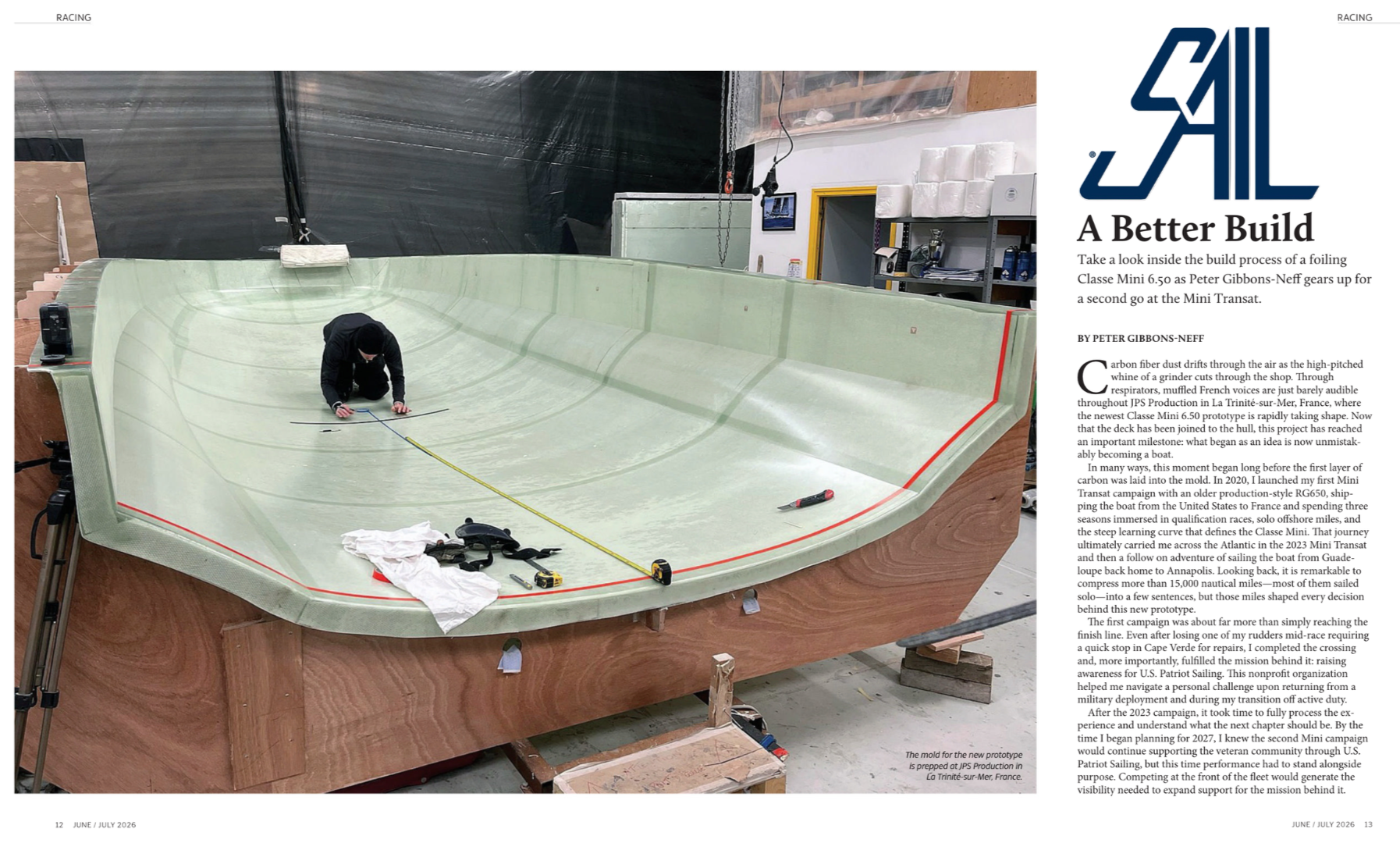
Check out the newest article published by SAIL Magazine this month!
One exciting milestone this month is having the opportunity to share the story of this project with a broader audience through SAIL Magazine.
If you have not had a chance to read it yet, I encourage you to take a look. I am grateful to SAIL Magazine for taking the time to tell the story and help share the journey with the sailing community.
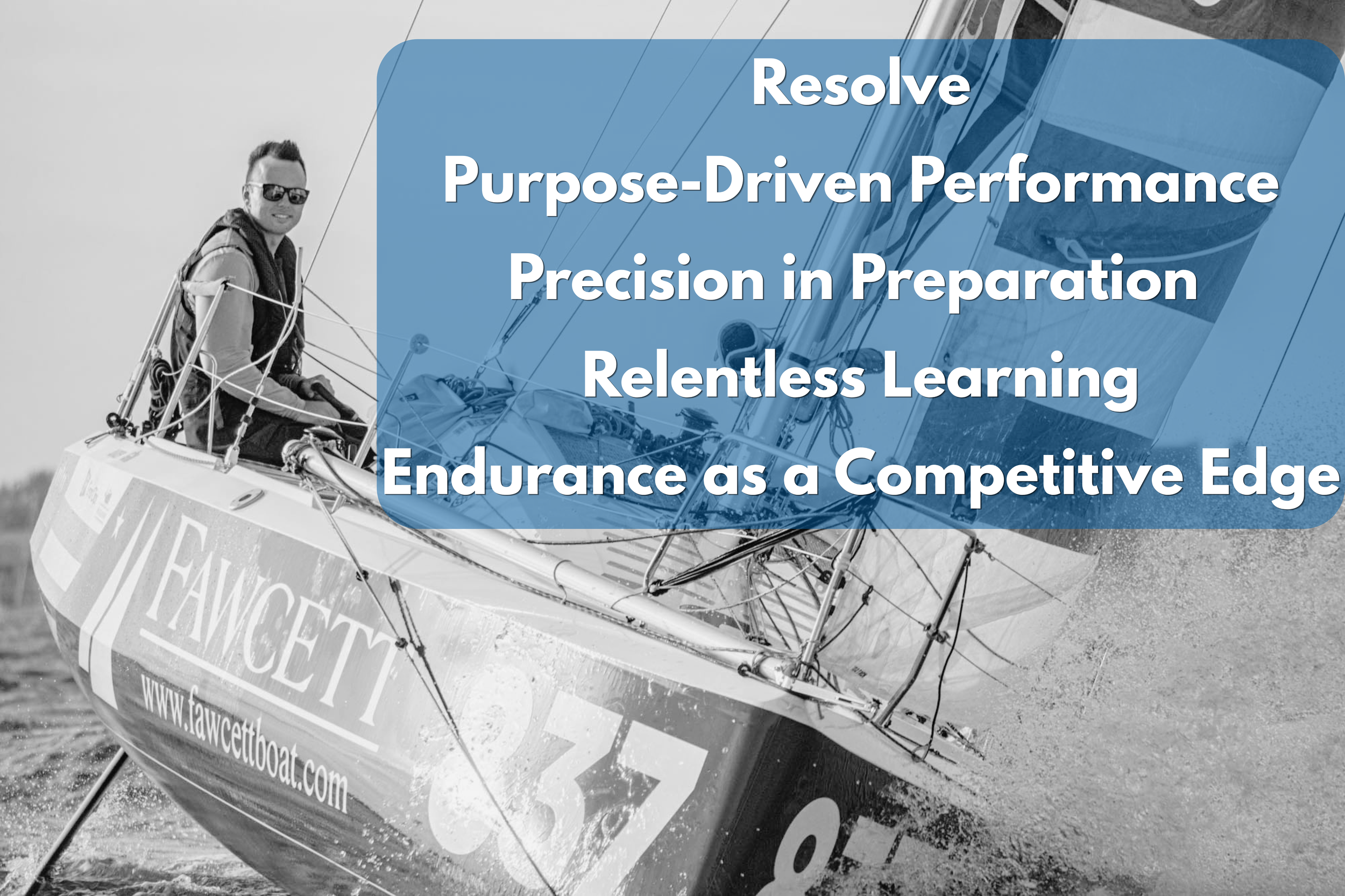
Become a Part of This Campaign!
Support this campaign by helping us launch with a tax deductible donation
As we enter the final stage of building this new proto, there is a long list of essential equipment and parts that must go into the boat. While we have some strong initial backing to start the build the boat, and have lowered the overall costs through support from technical partners, but there are still many things we could use your support with!
If you donate to sponsor a part of the boat, we can add your name to it and give you (or your company) shout outs during the installation and the sailing over the next two seasons!
Send me an email and let’s get you on the boat!
Email: peter@pgnoceanracing.com
Check out the CCA article that was published in their Voyages magazine
We are racing to Brazil!
The upcoming Mini Transat starts in September 2027 with 90 Minis crossing the starting line in La Rochelle, France. The fleet will set off to Las Palmas de Gran Canaria in the Canaries for a stop over, then race to Salvador de Bahia, Brazil.
This is exciting for the Classe Mini 6.50 fleet since now we will be crossing both the Atlantic Ocean and equator in the same race. This revived route is already a part of the long history of the race, because it had previously been used six times from 2001-2011.


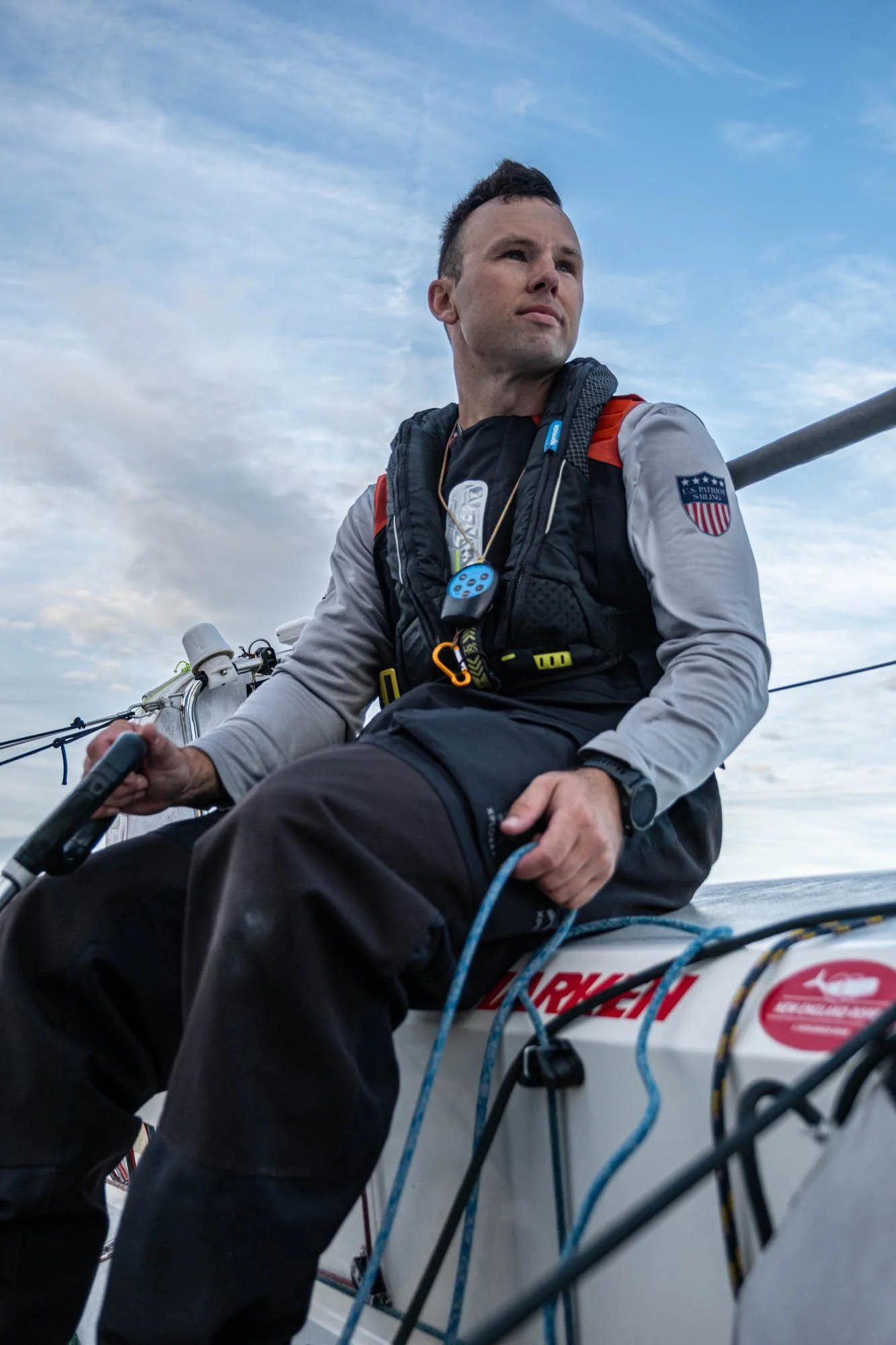
Sailing Terminal Leave in Annapolis this October (Photo Credit: Matt Ellis)
Looking Ahead — The 2027 Mission
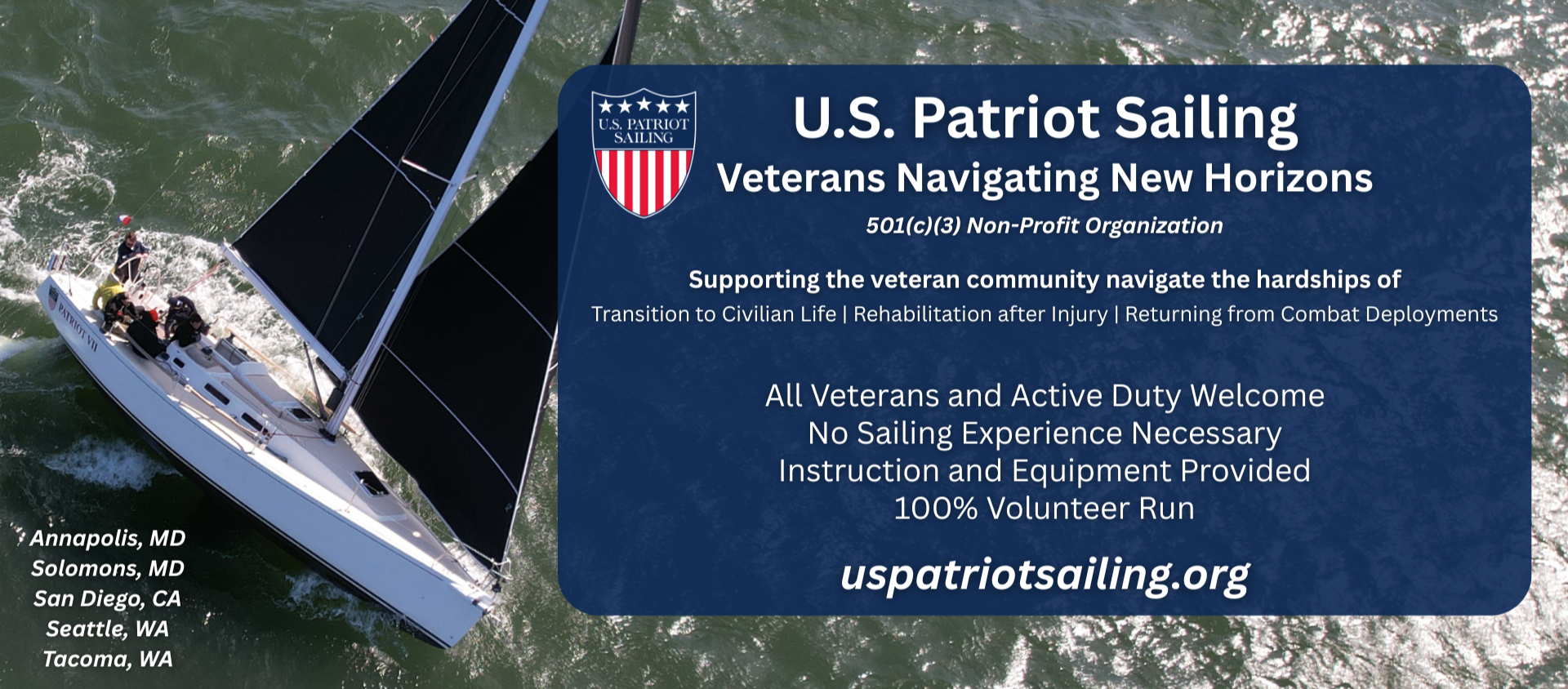
While the last campaign focused on raising awareness for U.S. Patriot Sailing, this new mission is about expanding support — enabling the organization to create even more opportunities for veterans.
One major goal of U.S. Patriot Sailing is to introduce a cruising platform where veterans and their families can share calm, restorative experiences on the water — a vital way to strengthen connection and healing.
U.S. Patriot Sailing remains 100% volunteer-run, accomplishing its mission solely through the generous support of individual donors and grants. Together, we can make this next phase possible.
Donate HERE to support the U.S. Patriot Sailing team.
From raising awareness to expanding support — together, we’re building more opportunities for veterans.
Follow the Mission
As this campaign builds momentum, please makes sure you are following along and stay connected:
Website: www.pgnoceanracing.com
Social Media: Instagram, Facebook, YouTube (@pgnoceanracing)
Instagram usually has the most frequent and quick updates!
Donate: You can support this new campaign with a tax deductible donation through U.S. Patriot Sailing — helping not only this mission, but also the veterans this organization serves. You can choose where your donation goes exactly: support a local team, this 2027 Mini Transat campaign, or the organization at large. Donate HERE
The support for the 2023 Mini Transat was the foundation for everything we’ve achieved so far. I hope you will be part of the adventure as we set out for this new mission.
New design, new challenge, same mission-driven commitment
Questions? Want to support?
Reach out out to peter@pgnoceanracing.com and jane@pgnoceanracing.com
Watch the video below to learn why I’ve decided to compete in the Mini Transat again:
Is your club, organization, or company interested in hearing about this new mission?